
- Hot tubs use heat to relax muscles, improve circulation, and reduce stress hormones — while cold plunges use cold exposure to cut inflammation, spike dopamine, and accelerate recovery.
- Neither is universally better — the right choice depends on your goal, your timing, and where you are in your training or recovery cycle.
- Contrast therapy — alternating between hot and cold — may deliver compounding benefits that neither method achieves alone, and the protocol matters more than most people realize.
- Cold plunges trigger a dopamine surge that can last hours after the session ends, making them one of the most underrated mood and focus tools available.
- There is a specific window after exercise where choosing the wrong therapy can actually slow your progress — keep reading to find out when.
Hot tub or cold plunge — most people pick one and never look back, but the science suggests that might be leaving serious recovery gains on the table.
For hundreds of years, both of these hydrotherapy methods have been utilized, from Roman bathhouses to Scandinavian ice plunge traditions. They are now being used in athlete recovery centers, high-performance gyms, and increasingly, private homes. The wellness industry has finally acknowledged what cultures around the world have known for generations: water temperature is one of the most powerful tools for managing how your body feels and performs. Brands like Collective Relaxation have helped to bring this conversation to the mainstream by making it easier for the average person to understand and access these recovery modalities at home.
Grasping the true distinction between these two methods, and not just the basic “one is hot, one is cold” explanation, is what will assist you in making more informed choices about your wellness routine.
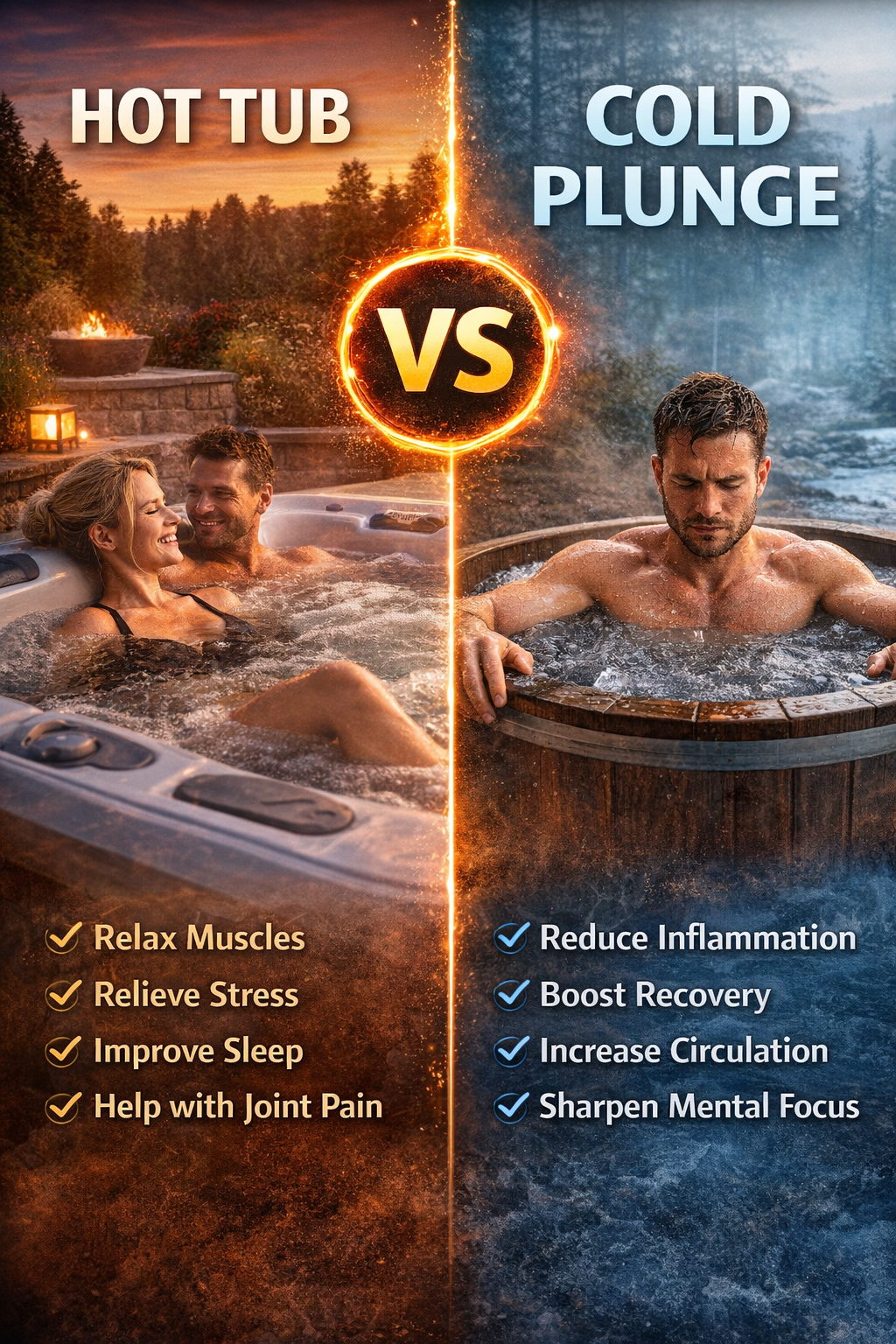
Hot Tub vs Cold Plunge: The True Distinction
Essentially, a hot tub employs warm water (generally ranging from 100°F to 104°F) to elevate your core body temperature, widen your blood vessels, and stimulate relaxation throughout the body. On the other hand, a cold plunge uses water temperatures between 39°F and 59°F to achieve the opposite effect — it narrows blood vessels, initiates a stress response, and pushes the body into a state of sharp physiological adjustment.
These are not simply different versions of the same thing. They activate completely different systems in your body and have very different results. One of the biggest mistakes people make when setting up their home wellness routine is to treat them as if they were the same.
How Your Body Reacts to a Hot Tub
As soon as you immerse yourself in a hot tub, your body starts to respond. The blood vessels close to the surface of your skin dilate, a process referred to as vasodilation, which boosts blood circulation and slightly lowers your blood pressure. The heat penetrates deep into your muscles, causing them to relax, and your nervous system enters a state of rest and digest, also known as the parasympathetic state.
High-end hot tubs have hydrotherapy jets that give a mechanical massage. The heat and targeted water pressure work together to break down myofascial adhesions, which are tight, knotted areas in muscle tissue that foam rollers and stretching often can’t fully address. For the body to fully respond to the heat stimulus, sessions should last 15 to 30 minutes.
Hot Tub Temperature Guide
Temperature Range Effect on the Body Best Used For 98°F – 100°F Mild vasodilation, gentle relaxation Daily use, sensitive users 100°F – 102°F Moderate muscle relaxation, improved circulation Post-workout recovery, stress relief 102°F – 104°F Deep tissue warmth, significant parasympathetic activation Pre-sleep, joint mobility, deep recovery
What a Cold Plunge Actually Does to Your Body
Cold plunge therapy works through a mechanism called vasoconstriction — your blood vessels tighten rapidly in response to cold, redirecting blood away from the extremities and toward your vital organs. When you exit the cold water, vasodilation kicks in and blood rushes back through your system, carrying fresh oxygen and nutrients to muscles and tissues.
In addition to the vascular response, cold exposure causes the body to release norepinephrine, a neurotransmitter and hormone that is heavily involved in focus, alertness, and mood. Studies have found that just a single two to three minute dip in cold water can cause a significant increase in norepinephrine levels, and these effects can last for several hours after the plunge. For more information on optimizing your cold exposure, check out this cold plunge temperature guide.
The mental aspect is just as significant. The conscious decision to submerge yourself in cold water and remain composed is a kind of stress inoculation – it’s like training your nervous system to stay calm in uncomfortable situations. This mental adjustment is one of the reasons why those who regularly take cold plunges often report increased concentration and emotional resilience over time.
Why They Work Better Together Than Apart
Hot tubs and cold plunges, when used one after the other, create what is known as a “vascular workout.” The expansion and contraction of blood vessels caused by the alternating hot and cold temperatures function like a pump, pushing metabolic waste out of the muscles and drawing in fresh, oxygenated blood. This is the basis of contrast therapy, and it’s far more effective than using either method on its own.
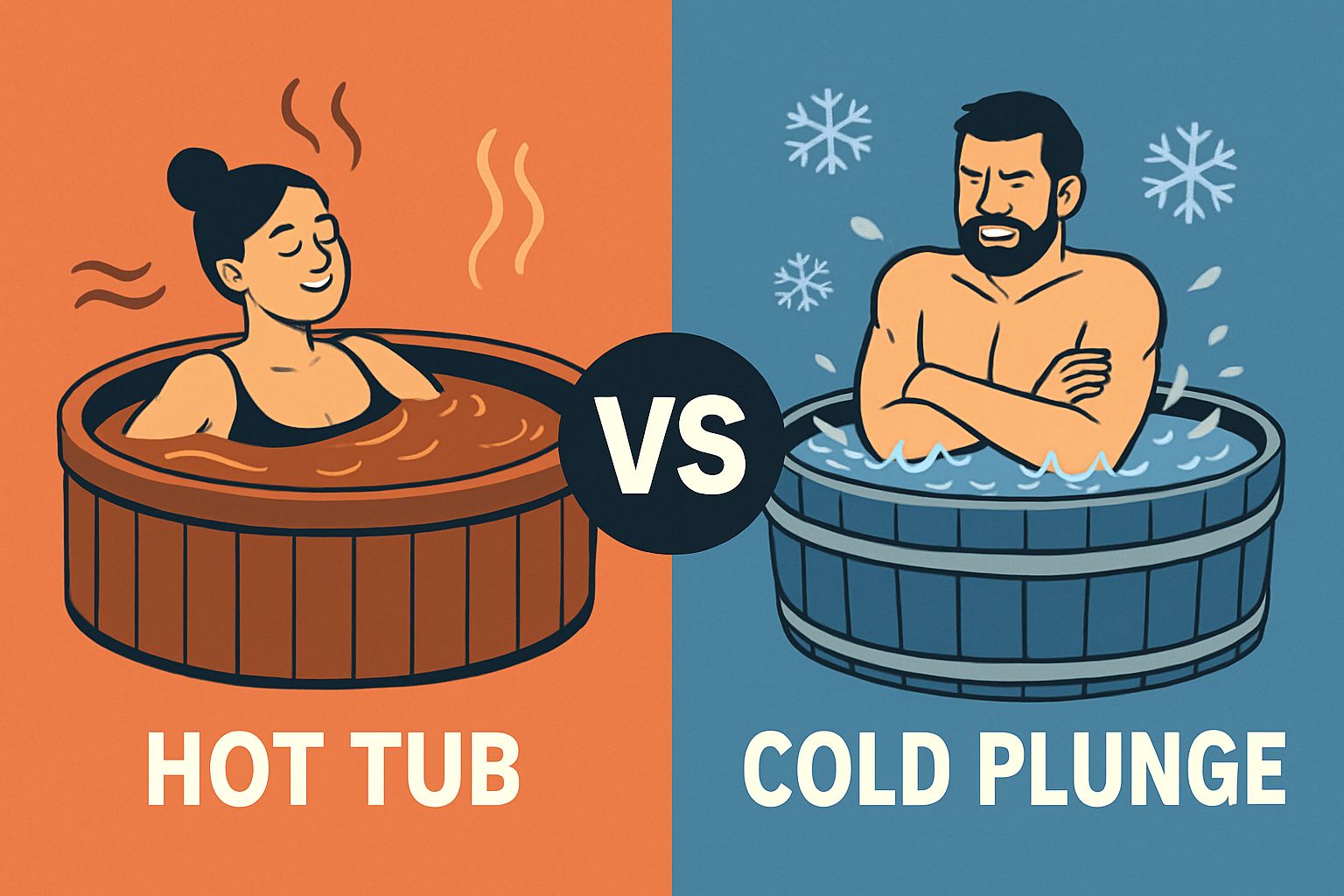
Why You Should Brave the Cold Plunge
Jumping into a cold plunge is a shock to the system, but that’s exactly the point. The real benefits kick in after you’ve endured those first few seconds of discomfort.
Plunging into cold water triggers a series of physical reactions that aid in recovery, boost mental performance, and build resilience over time. For more information, check out this cold plunge temperature guide to understand how different temperatures can impact your recovery process. Here’s what the research really says.
Speeding Up Muscle Recovery Post-Workout
After a vigorous workout, immersing yourself in cold water can help get rid of the metabolic waste that builds up in your muscles. A cold plunge constricts your blood vessels and reduces inflammation in specific areas, which can significantly reduce delayed onset muscle soreness (DOMS) — the stiffness and pain that peaks 24 to 48 hours after a workout. For athletes who train several times a week, this quicker recovery period can mean the difference between showing up ready to go and showing up feeling drained.
Boosting Dopamine and Mental Clarity
Exposure to cold is one of the most effective natural ways to boost dopamine levels without using any substances. Unlike the quick spike that caffeine or sugar provides, the dopamine surge from cold immersion builds up slowly and lasts for several hours. This results in better concentration, improved mood, and a state of calm alertness. This is why many high achievers have started using their cold plunge sessions in the morning as a tool to increase productivity, not just for recovery.
Lessening Inflammation and Swelling
When you work out or get injured, it’s normal and necessary to have acute inflammation. But when inflammation gets out of control or becomes chronic, it can slow down your recovery and cause pain. Cold water immersion can help control this response by making blood vessels narrower and slowing down the inflammatory signaling cascade.
Joint-related pain is a good example. Athletes with swollen knees, inflamed tendons, or repetitive stress injuries often find that regular cold plunge use helps manage symptoms without the side effects of anti-inflammatory medications.
However, it’s important to note that if you plunge into cold water right after strength training, you may dull some of the muscle protein synthesis signals that stimulate hypertrophy. So if your main goal is to build muscle mass, it’s crucial to time your cold plunge session just right. We’ll cover this more in the contrast therapy section.
Boosting Your Immune System
Exposing yourself to cold temperatures on a regular basis could help improve your immune system. Some studies indicate that regularly immersing yourself in cold water could increase the activity of certain cells in your immune system and make your body more resistant to common diseases. While cold plunges aren’t a magic bullet, there’s evidence that they could provide significant immune support if you do them regularly.
Why Hot Tubs Are More Than Just a Luxury Item
What You Can Get From a Hot Tub
Benefit How It Works How Long You Need Relief from muscle tension Vasodilation + hydrotherapy jets 15–20 minutes Better sleep Drop in core body temperature after soaking 20–30 minutes, 1–2 hrs before bed Lower stress hormones Activates parasympathetic nervous system At least 15 minutes Improved joint mobility Heat reduces synovial fluid viscosity 15–20 minutes Supports cardiovascular health Increases heart rate, improves circulation 20–30 minutes
People often think of hot tubs as something you splurge on for your backyard, not something that actually helps you stay healthy. But if you use a hot tub the right way, it can do a lot more than just help you relax.
There’s a lot of research showing the health benefits of soaking in hot water. Regular hot tub sessions can help your heart health by simulating some of the same effects as moderate exercise — it gets your heart rate up and helps your blood flow, but doesn’t put stress on your joints. This makes hot tub therapy a great option for people who have a hard time with high-impact exercise because of arthritis, injury, or chronic pain. For a comprehensive approach to wellness, consider incorporating a home wellness routine plan that includes hot tub therapy.
Relief for Deep Muscles and Joint Mobility
Heat decreases the thickness of synovial fluid — the lubricating fluid inside your joints — making movement feel less painful and easier. When combined with the targeted pressure of hydrotherapy jets, a well-designed hot tub session can address both superficial muscle tightness and deeper joint stiffness in ways that passive stretching alone cannot replicate.
If you’re dealing with issues such as lower back discomfort, hip stiffness, or shoulder strain from sitting at a desk or repetitive movement, regular use of a hot tub can significantly improve your range of motion over time. Additionally, exploring other therapeutic options like infrared sauna chromotherapy can further enhance your recovery and wellness routine.
Improves Sleep Quality When Used Before Bed
One of the most consistent and well-documented benefits of using a hot tub is the improvement of sleep quality. The process is not as straightforward as it seems – it is not the heat that improves sleep, but the rapid cooling that follows. If you soak in a hot tub 60 to 90 minutes before going to bed, your core body temperature will rise. Once you get out, it will drop rapidly. This rapid decline in core temperature mimics the natural thermal drop that your body initiates when preparing for deep sleep, essentially speeding up the process and helping you to fall asleep faster and stay asleep longer.
Lowering Stress Hormones
Submerging yourself in hot water triggers your parasympathetic nervous system — the part of your autonomic nervous system that handles rest, digestion, and recovery. When this system is activated, cortisol levels decrease and the body starts to physically relax. Regularly using a hot tub can assist people who are constantly stressed in breaking the cycle of high cortisol levels that interfere with sleep, digestion, and immune function. It’s one of the few passive methods that consistently take the nervous system out of a state of high alert without requiring any effort or skill.
Hot Tub or Cold Plunge: A Direct Comparison
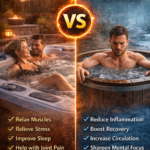
Deciding between a cold plunge and a hot tub is not a simple choice because they each have different benefits. The best way to evaluate them is not to ask which is superior — but to comprehend what each one is designed for and where their benefits intersect. For those interested in additional wellness options, exploring infrared sauna chromotherapy can offer complementary benefits.
Let’s look at a head-to-head comparison across the most crucial recovery and wellness factors:
| Category | Cold Plunge | Hot Tub |
|---|---|---|
| Water Temperature | 39°F – 59°F | 100°F – 104°F |
| Session Length | 2 – 5 minutes | 15 – 30 minutes |
| Primary Effect | Vasoconstriction, inflammation reduction | Vasodilation, muscle relaxation |
| Best For | Acute recovery, mental performance | Stress relief, joint mobility, sleep |
| Dopamine Response | High and sustained | Moderate |
| Muscle Soreness | Reduces DOMS significantly | Mild relief through heat and jets |
| Cardiovascular Effect | Brief heart rate spike | Sustained heart rate elevation |
| Ease of Entry | Mentally challenging | Immediately comfortable |
| Best Time to Use | Morning or post-workout | Evening or pre-sleep |
The contrast between these two tools is stark — and that contrast is exactly what makes using them together so effective. Where one has a limitation, the other fills the gap. For more on how these methods can enhance recovery, relaxation, and overall wellness, explore our detailed guide.
Deciding Between a Cold Plunge and a Hot Tub
Recovery is all about timing. If you use the right tool at the wrong time, you can actually limit the benefits you’re trying to achieve. Knowing when to use each therapy can give you a significant advantage over a “use it whenever you feel like it” approach. For more insights, explore the benefits of improving recovery, relaxation, and overall wellness through these methods.
Both of these tools have their strengths and weaknesses. Knowing the difference between them is what separates a good recovery routine from just owning fancy equipment.
When is the Optimal Time to Use a Cold Plunge?
For the best results, use the cold plunge in the morning, right after an endurance or cardio workout, or when you have acute inflammation. Starting your day with a cold plunge can increase your dopamine and norepinephrine levels, which can help you stay focused, motivated, and in a good mood throughout the day without needing to rely on caffeine.
Strength athletes and those seeking to increase muscle size should note an important exception: immersing in cold water within two hours after resistance training may decrease the anabolic signaling (specifically, mTOR pathway activation) that stimulates muscle growth. If your main goal is to build muscle, you may want to wait at least two hours after a strength workout before taking a cold plunge, or you may want to reserve cold plunging for days when you don’t train.
When to Use a Hot Tub
Hot tubs work best in the evening for recovery and getting ready for bed, or before physical activity to help warm up stiff joints and tight muscles. If you have chronic tension, arthritis, or have trouble moving, a hot soak before you move can help you move more easily and hurt less when you exercise.
Using a hot tub after a workout is also a good idea, especially after low-to-moderate intensity sessions where the goal is to relax and support circulation rather than aggressively control inflammation. The heat and hydrotherapy jets help to remove metabolic waste from the muscles and decrease the passive tension that builds up during long training sessions.
There are several key moments when the hot tub is most effective:
- 60 to 90 minutes before bed — to trigger the core temperature drop that accelerates sleep onset
- Before morning workouts — to warm up joints and increase tissue pliability, particularly in colder climates
- After long work days — to actively downregulate cortisol and shift the nervous system out of a stress state
- Following long endurance efforts — to support circulation and gentle muscle recovery without the intensity of cold exposure
- During injury rehabilitation — when gentle heat and water buoyancy reduce pain and support movement quality
The consistent theme is that hot tubs work best when the goal is downregulation, relaxation, and recovery — not acute performance enhancement. Save the challenge for the cold plunge.
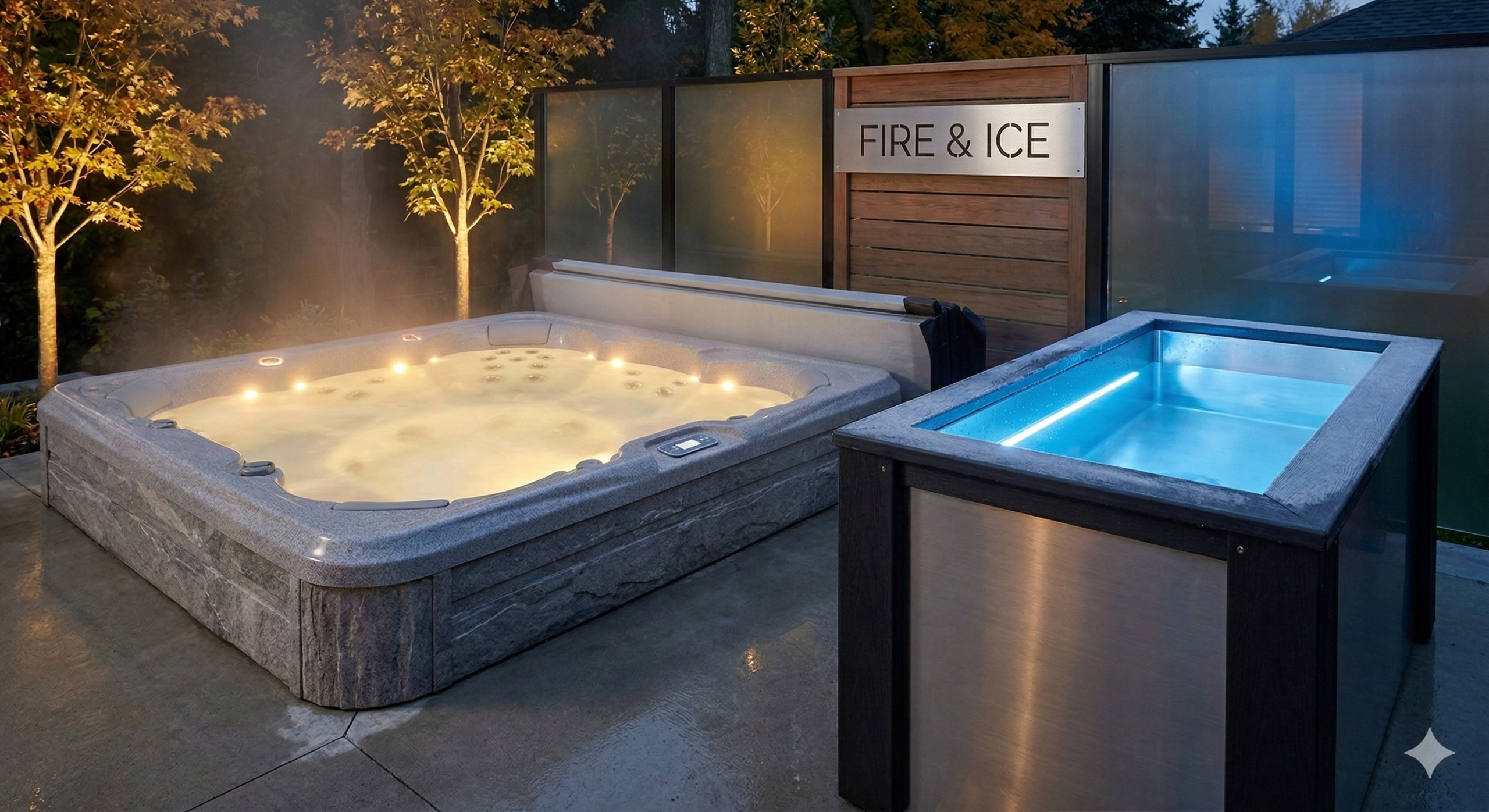
Contrast Therapy: How to Maximize Recovery with Both Hot and Cold
Contrast therapy is the secret weapon of top athletes. By alternating between hot and cold exposure, you create a pumping effect in your cardiovascular system that you can’t get from either method alone. And the science backs this up: the evidence for the benefits of contrast therapy for recovery and circulation is some of the most solid in the field of hydrotherapy.
The basic concept is simple: heat makes blood vessels dilate and cold makes them contract. When you alternate between the two, your blood vessels get a workout as they open and close repeatedly. This leads to better blood circulation, quicker removal of metabolic waste, less muscle soreness, and a strong neurochemical response that leaves most people feeling both alert and deeply relaxed at the same time. For more details on optimizing your routine, check out this home wellness routine plan.
Understanding Contrast Therapy and Its Effectiveness
Contrast therapy is a systematic approach that involves switching between hot and cold water immersion in a single session. This practice is deeply rooted in Scandinavian wellness culture, where people traditionally alternate between hot saunas and cold lakes or plunge pools. It has also been widely incorporated into top-tier sports recovery programs. The operative word here is systematic. The effects of contrast therapy cannot be achieved through random temperature changes. Instead, they require a carefully timed and sequenced protocol.
How to Conduct a Contrast Therapy Session at Home
The most empirically-supported protocol typically involves starting with heat to warm up the body and increase tissue temperature, transitioning to cold for a short period, and then repeating the cycle. Most protocols recommend ending on cold to maintain the vasoconstriction and dopamine benefits, but ending on heat is suitable if the aim is relaxation and preparing for sleep.
Here’s what a typical at-home contrast therapy session might look like:
Rewrite the following human content into AI content:
- Hot tub — 10 to 15 minutes at 102°F to 104°F to fully dilate blood vessels and heat up the tissues
- Cold plunge — 2 to 3 minutes at 50°F to 59°F, with a focus on controlled breathing
- Hot tub — 10 minutes to reheat and continue the blood vessel cycling
- Cold plunge — 1 to 2 minutes as a final cold finish for maximum neurochemical benefits
- Rest — 10 minutes lying down, allowing the body to return to normal and build up the dopamine response
Who Should Not Use Contrast Therapy
Contrast therapy is not suitable for everyone. People with uncontrolled high blood pressure, cardiovascular disease, Raynaud’s disease, or those who are pregnant should speak to a doctor before trying any contrast protocol. The rapid changes in blood vessels from alternating heat and cold put a real strain on the cardiovascular system — which is part of what makes it work, but also what makes it risky for those with underlying conditions.
Creating the Perfect Home Wellness Space
Creating the perfect home wellness space doesn’t mean you need to have a commercial gym budget. It means choosing the right tools that complement each other and give you the most bang for your buck. When you pair hot tubs and cold plunges with the right supporting modalities, you can create a high-performance recovery environment at home that rivals what most professional athletes have access to.
1. The Hot Tub: Your Personal Heat Zone
What to Look for in a Home Hot Tub for Recovery
Feature Why It Matters Hydrotherapy jets (adjustable) Targets specific muscle groups for deeper tissue relief Temperature control precision Allows consistent therapeutic dosing between sessions Energy-efficient insulation Reduces operating cost for daily use Seating configuration Supports full-body immersion and varied positioning Built-in filtration system Maintains water quality without constant chemical intervention
Your hot tub is the anchor of your heat zone and should be seen as a daily-use recovery tool, not just a luxury for the weekend. For contrast therapy, you need a hot tub that heats consistently, holds temperature reliably, and offers genuine hydrotherapy functionality — not just warm water and basic jets.
Search for models that feature adjustable directional jets that let you pinpoint areas like the lower back, shoulders, hamstrings, and calves. Fixed jets that only create general turbulence are much less efficient for therapeutic uses. The mechanical pressure of well-constructed jets works together with the heat to deal with myofascial tension in ways that passive soaking simply can’t.
Most consumers don’t understand the importance of temperature accuracy. A hot tub that varies several degrees between uses can make it hard to consistently measure your treatment. High-quality models keep the temperature within one degree, which is particularly crucial when you’re doing structured contrast therapy routines where the difference between hot and cold needs to be substantial.
Place your hot tub in a location that is close to your cold plunge. It should be close enough that you can get from one to the other in just a few steps. The time it takes you to go from the hot tub to the cold plunge can affect how your blood vessels respond. If you have to walk a long distance between the two, your body will have time to partially return to normal. This can reduce the contrast stimulus that makes the therapy effective.
2. Cold Plunge Tub for Recovery
Think of your cold plunge tub as the more intense sibling of the hot tub. For contrast therapy to be effective, the water needs to be cold enough, and remain cold enough, to trigger a genuine vascular response. You should aim for a tub that can keep the water between 39°F and 55°F consistently, and it should have an active chilling system rather than just relying on ice. While you can use ice to cool the water, it needs constant maintenance and it’s difficult to maintain a stable temperature across multiple sessions in one day.
Stand-alone cold plunge tubs for home use have come a long way. The top models feature insulated shells for efficient temperature maintenance, built-in filtration for between-use water cleanliness, and digital temperature controls for precise target range setting and monitoring. If you’re planning to cold plunge every day, active refrigeration is worth the extra cost — it removes the hassle of ice prep that makes most people skip a day.
3. Sauna for Deep Heat Therapy
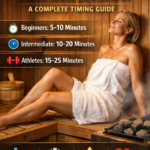
Adding a sauna to your routine can give you a different kind of heat that works well with the moist heat of a hot tub. While a hot tub gives you a warm bath with water jets for hydrotherapy, a sauna gives you a radiant heat that goes deep into your tissues. This gives you a stronger cardiovascular response, heats your core temperature faster, and makes you sweat more.
Classic Finnish saunas run at temperatures ranging from 150°F to 195°F and have low humidity. In contrast, infrared saunas are a bit cooler, running between 120°F to 150°F, and use infrared radiation to directly heat the body instead of the air around it. Both types of saunas have proven benefits for heart health, stress relief, and detoxification through sweating, but they each play a slightly different role in a recovery setup.
When it comes to contrast therapy, a traditional sauna can be used in place of or in addition to the hot tub for the heat phase. The practice of moving directly from the sauna to the cold plunge is a staple of Scandinavian wellness with a lot of supporting evidence. The main difference is that the sauna generates a stronger heat load, which can make the following cold plunge seem more powerful and the vascular response more noticeable.
Should you have the room and the finances, possessing a sauna and a hot tub provides real versatility — the sauna for high-intensity heat and maximum contrast, the hot tub for more relaxed recovery sessions, pre-sleep relaxation, and hydrotherapy-specific muscle work that a sauna can’t duplicate.
Sauna vs Hot Tub in a Recovery Setup
Feature Sauna Hot Tub Heat Type Dry radiant heat Wet immersive heat Temperature Range 150°F – 195°F 100°F – 104°F Cardiovascular Load High Moderate Hydrotherapy Jets No Yes Best For Deep heat, detox, contrast therapy Muscle relief, joint mobility, sleep Session Length 10 – 20 minutes 15 – 30 minutes
4. Red Light Therapy for Recovery Support
Red light therapy panels use specific wavelengths of light — typically 630nm to 850nm — to penetrate skin and underlying tissue, stimulating mitochondrial energy production and reducing localized inflammation. In a home wellness setup, a red light panel positioned near your recovery area adds a passive but meaningful layer of cellular support. Many users incorporate a 10 to 20 minute red light session either before entering the hot tub (to prime tissue) or after completing a contrast therapy protocol (to support cellular recovery). It requires no physical effort, produces no thermal stress on the cardiovascular system, and is one of the easiest modalities to stack with existing recovery tools.
5. The Role of Massage Chairs in Muscle Relief
A good massage chair is the cherry on top of an all-inclusive home recovery setup. After a contrast therapy session when your muscles are warm, your blood flow is high, and your nervous system is in a state of rest and digest, spending 15 to 20 minutes in a full-body massage chair can help release any lingering tension, further decrease cortisol, and prolong the recovery period. Look for chairs with body-scan technology, deep tissue kneading programs, and lumbar heat functions — these features separate therapeutic-grade chairs from basic vibration units and have a significant impact on actual recovery outcomes.
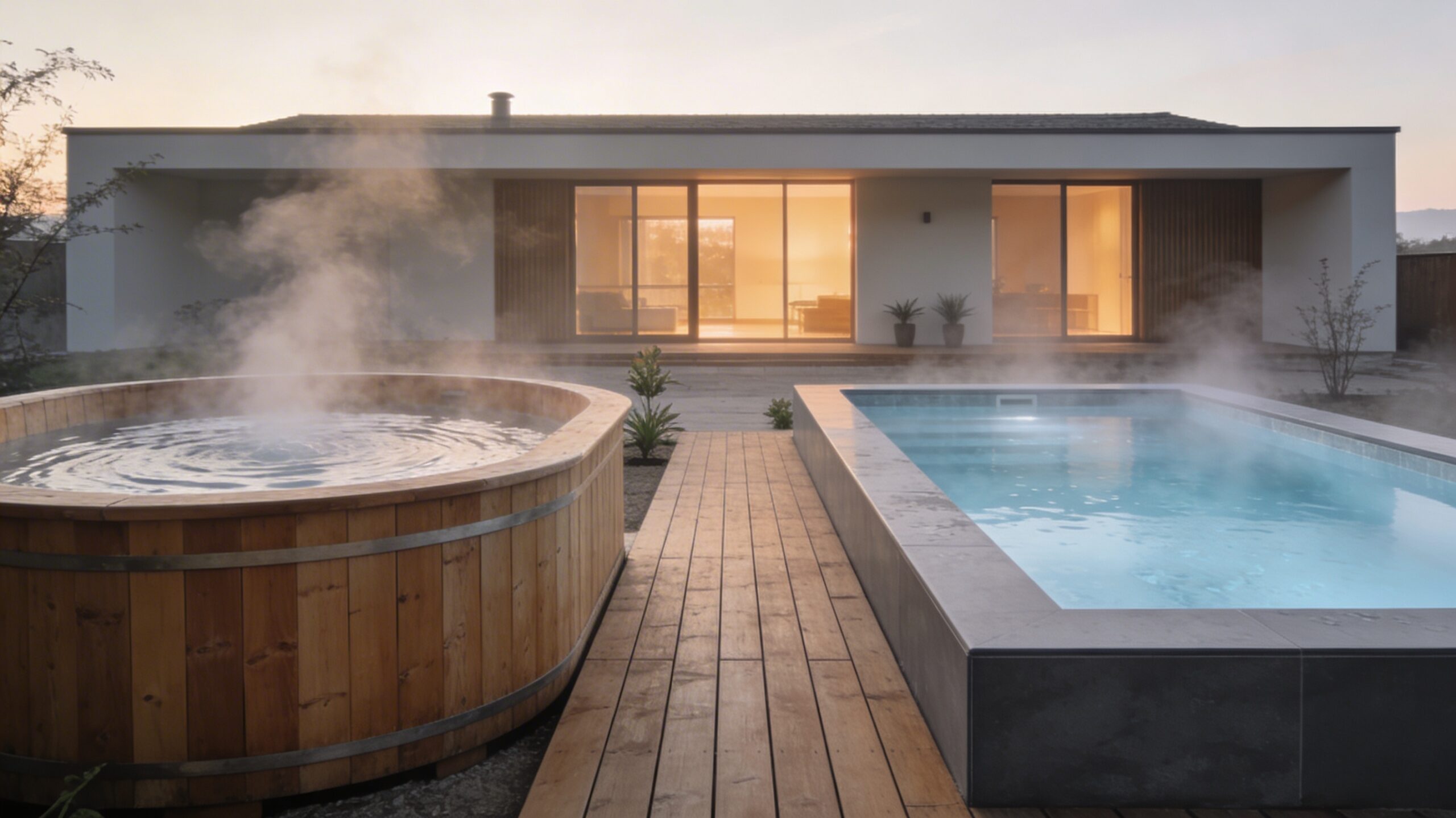
Hot Tub or Cold Plunge: Which One Should You Choose First
If you are starting from scratch and can only invest in one tool, the decision comes down to your primary wellness goal. Neither option is wrong — but one will deliver more immediate, high-frequency returns depending on what you are trying to solve. For those considering a cold plunge, you might find this cold plunge temperature guide useful in making your decision.
- Choose a cold plunge first if your priority is post-workout recovery, inflammation management, mental performance, or building stress resilience. The dopamine and norepinephrine response is fast, measurable, and available from day one.
- Choose a hot tub first if your priority is chronic stress reduction, sleep quality improvement, joint mobility, or a recovery tool the whole household will actually use consistently. Hot tubs have a lower barrier to entry psychologically and tend to see higher daily usage rates.
- Choose both together if your goal is a complete recovery system — and if space and budget allow, this is the option that delivers compounding, long-term returns that neither tool achieves alone.
The honest answer for most people is that the hot tub gets used more frequently because it is immediately comfortable, accessible to multiple fitness levels, and versatile enough for both recovery and social use. The cold plunge, once the habit is formed, becomes the tool most people say they cannot imagine their routine without — but it requires consistency to build that relationship.
Begin with whichever method addresses your most urgent need at the moment. When you’re ready, incorporate the second. Then, develop the contrast therapy routine that combines two separate methods into one of the most potent recovery systems available outside of a professional performance center.
Common Questions
There are many questions that come with hot tub and cold plunge therapy, especially as more people start to use them for more structured recovery protocols. The answers below address the most common questions, providing specific numbers and practical guidance you can use in your routine.
This isn’t just about general wellness advice. Recovery therapy works based on the amount you get, and the specifics — like temperature, duration, timing, and frequency — are what decide whether you see results or simply waste time in the water.
Whether you’re just starting with contrast therapy or fine-tuning a current routine, these responses will help you use both methods more effectively and avoid the most typical blunders.
Quick Reference: Key Protocol Numbers
Therapy Ideal Temperature Session Duration Frequency Cold Plunge 50°F – 59°F 2 – 5 minutes Daily to 3× per week Hot Tub 100°F – 104°F 15 – 30 minutes Daily Contrast Therapy Alternating both 45 – 60 minutes total 2 – 4× per week
How long should you stay in a cold plunge?
For most people, two to four minutes is the optimal cold plunge duration for recovery and neurochemical benefits. This window is long enough to trigger meaningful vasoconstriction, activate the norepinephrine response, and engage the psychological adaptation that builds resilience over time — without crossing into the territory of hypothermia risk or unnecessary physiological stress. For more on optimizing your wellness routine, check out our home wellness routine plan .
If you’re just starting out, aim for 30 to 60 seconds initially and slowly increase this over a week or two. The key in the early days isn’t about how long you can last, but rather learning how to control your breathing and remain calm despite the discomfort. Once you’re able to get into cold water and get your breathing under control within the first 30 seconds, you’ll find it much easier to stay in for two to four minutes.
After five minutes, the benefits lessen and the dangers grow. There is no significant extra recovery advantage to remaining in cold water for 10 or 15 minutes versus four minutes at the same temperature. The vascular and neurochemical reactions are mostly initiated within the first two minutes — anything beyond that is mental training, not physiological improvement.
Can you safely use a hot tub every day?
Yes — for most healthy adults, using a hot tub every day is safe and can even have health benefits if done responsibly. The important factors are the temperature, how long you stay in, and staying hydrated. If you keep the temperature between 100°F and 104°F, limit your time in the hot tub to 30 minutes or less, and drink water before and after each soak, you can avoid the main risks of using a hot tub every day.
Typical problems associated with daily hot tub use include dehydration, overheating, and skin irritation due to chemical imbalances in the water. All these issues can be avoided with basic maintenance and awareness. Regularly check your water chemistry, keep yourself hydrated, and leave the tub if you start to feel dizzy, lightheaded, or excessively hot.
Rewrite the following human content into AI content:
How to Safely Use a Hot Tub Every Day
Consideration Advice Temperature of the water Don’t exceed 104°F How long to soak Don’t stay in for more than 30 minutes at a time Staying hydrated Drink a pint of water before and after Maintaining the water Check pH and sanitizer levels twice or thrice a week Drinking alcohol Don’t do it — it greatly increases the risk of overheating
People who are pregnant, have heart conditions, or are taking medications that affect blood pressure or the body’s ability to regulate temperature should ask their doctor before they start using a hot tub every day. The strain on the heart from being in hot water for a long time is real, and people with certain health conditions need medical advice, not wellness tips.
For those who are healthy and don’t have any contraindications, using a hot tub every day, especially in the evening as a tool for sleep and recovery, is one of the most sustainable wellness habits with the highest return. For a comprehensive home wellness routine plan, incorporating a hot tub can be a key component.
Is contrast therapy safe for those with high blood pressure?
Before you try contrast therapy, you should definitely consult with your doctor. Contrast therapy involves intentionally causing vascular stress by rapidly dilating the blood vessels with heat and then rapidly constricting them with cold. For those with well-managed or borderline high blood pressure, this cardiovascular demand may be doable, but it is not something you should try without medical advice.
The worry isn’t that contrast therapy will instantly harm everyone with high blood pressure. Instead, the fear is that the quick changes in vascular resistance and cardiac output place an unpredictable burden on an already strained cardiovascular system. The same process that makes contrast therapy beneficial for healthy people is what poses a risk for those with hypertension.
Assuming your doctor gives you the go-ahead for contrast therapy, it might be wise to ease into it. Start with shorter cold exposure times (60 to 90 seconds instead of two to three minutes), cooler hot tub temperatures (100°F instead of 104°F), and fewer cycles per session. Pay attention to how your body reacts and slowly increase intensity rather than diving headfirst into a full protocol.
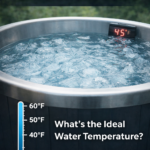
What is the ideal cold plunge temperature for recovery?
Effects and Temperature Ranges for Cold Plunges
Temperature Experience Level Main Effect 39°F – 45°F Advanced Maximum vasoconstriction, intense stress response 45°F – 55°F Intermediate Strong recovery benefits, manageable discomfort 55°F – 60°F Beginner Significant cold stimulus, lower psychological barrier Above 60°F Entry level Mild cold exposure, limited physiological response
Most people who are focused on recovery find that the ideal temperature is between 50°F and 59°F. This range leads to a strong vasoconstriction response and triggers a significant release of norepinephrine, effectively reducing inflammation. Plus, most people can tolerate this temperature for two to four minutes without excessive distress.
If you’re an experienced cold therapy user who has been slowly adapting over weeks or months, water under 45°F is suitable. The physiological response at these temperatures is intense, and the safe immersion period is significantly reduced. There’s no advantage for beginners to start at this cold temperature — the benefits of adaptation come from consistently using a manageable temperature, not from pushing to dangerous extremes.
When it comes to contrast therapy, the difference in temperature between your hot tub and cold plunge is just as important as how cold the plunge is. The change from 104°F to 55°F will have a greater effect on your blood vessels than going from 100°F to 55°F, even though the cold plunge is the same temperature in both scenarios. The key to effective contrast therapy is to make the temperature difference as large as possible, within safe limits.
Which is better for aching muscles, a cold plunge or a hot tub?
Truthfully, it depends on the kind of aches and pains you have and when they started. Both methods can help with muscle pain, but they work in different ways and are more effective at different points in the recovery process. If you use the wrong method at the wrong time, you could end up slowing down your recovery instead of speeding it up.
If you’re feeling a sharp pain, heat, or visible swelling in the first 24 hours after a tough workout, a cold plunge will help you recover more quickly. Cold plunges reduce inflammation, limit swelling by constricting blood vessels, and dull the pain signals that make moving around difficult. This is why professional athletes take cold plunges right after they compete.
If you’re dealing with general muscle stiffness, chronic aches, or the deep-seated stiffness that comes from sitting for long periods or repetitive movements, a hot tub is your best bet. The heat and hydrotherapy jets work together to target the mechanical tension and restricted blood flow that cause this type of discomfort — something a cold plunge just can’t do as effectively.
- Acute post-training soreness (0 to 24 hours): Cold plunge — reduces inflammation and swelling
- DOMS (24 to 72 hours post-training): Either, or contrast therapy for best results
- Chronic muscle tightness: Hot tub with hydrotherapy jets for targeted relief
- Joint soreness or stiffness: Hot tub — heat reduces synovial fluid viscosity and improves mobility
- Full recovery optimization: Contrast therapy protocol combining both
The most complete answer is that contrast therapy outperforms either tool used alone for muscle soreness recovery across most scenarios. The vascular pumping effect created by alternating heat and cold clears metabolic waste, reduces inflammation, and promotes tissue healing more efficiently than a static hot soak or a cold plunge in isolation.




Leave a Reply