
Here are some key takeaways for the best cold plunge temperature:
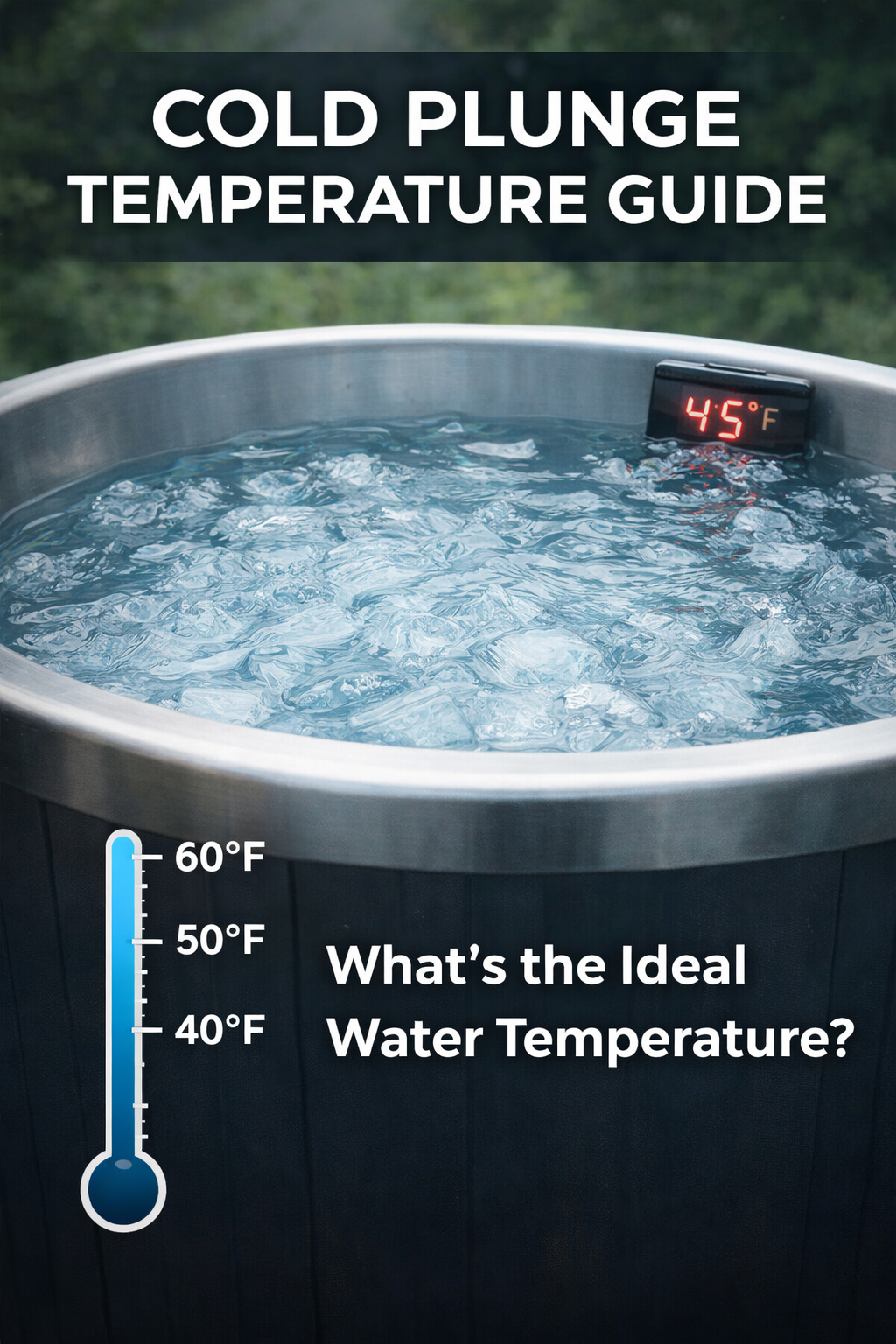
- For most people, the best cold plunge temperature is between 45°F and 55°F (7°C–13°C). This is the sweet spot where you can get the most benefits without putting your body under too much stress.
- It’s important to start at a comfortable temperature and gradually work your way down. Beginners should never start at 45°F right off the bat.
- Immersing your body in cold water triggers a series of hormonal and circulatory responses. This is why many athletes and wellness enthusiasts swear by cold plunging.
- The duration of your cold plunge and the temperature of the water are interconnected. The colder the water, the shorter your session should be, especially if you’re new to cold plunging.
- People with certain health conditions should not try cold plunging. It’s important to know the warning signs before you start.
Many people who try cold plunging either set the temperature too high and don’t feel much, or set it too low and can’t stay in for more than 20 seconds. There’s a specific temperature range that works best, and it’s more precise than you might think.
For hundreds of years, cultures around the world have used cold water immersion in their practices — from ice baths in Scandinavia to Misogi rituals in Japan. However, it is only recently that we have come to understand what exactly is happening in our bodies at different temperatures thanks to modern science. Alpine Ice Bath is a useful resource in the field of cold therapy, providing information on how to create safer, more effective cold plunge routines at home.
Important Points: Cold Plunge Temperature Overview
Cold plunge therapy doesn’t have a universal temperature. The temperature that suits a professional marathon runner in recovery differs from what a beginner should step into on their first day. Striking the right balance is the difference between a life-changing wellness routine and a practice you quit after a week because it feels awful.
The Perfect Temperature That Most People Miss
What most people don’t tell you when you start is that the goal isn’t to make the water as cold as possible. Instead, you should aim to find a temperature that consistently triggers your body’s adaptive response. This includes the hormonal shift, circulation boost, and mental reset. However, you don’t want to make the water so cold that your body is just fighting to survive.
The Reason 45°F–55°F (7°C–13°C) is Considered the Ideal Range
Most studies suggest that the most beneficial range for cold exposure for most people is between 45°F and 55°F. This is the temperature at which the body begins to release norepinephrine, a neurotransmitter and hormone that is associated with focus, mood, and the control of inflammation. Some studies have found that norepinephrine levels can increase by as much as 300% during immersion in cold water within this range. That’s a significant change in neurochemistry that can occur in just a few minutes.
The range is also where vasoconstriction, or the narrowing of blood vessels, becomes significant enough to noticeably reduce localized inflammation. This is why it’s the preferred recovery range for professional athletes. If the temperature falls below 45°F, most users will see diminishing returns. If it goes above 55°F, the stimulus isn’t powerful enough to produce consistent adaptation. For those looking to incorporate this into a home wellness routine, maintaining the right temperature is key.
How Temperature Affects Your Body’s Function
When it comes to cold water, your body doesn’t respond in a straight line, it responds in layers. As soon as you dive in, your skin temperature plummets, which causes an immediate cold shock response: a gasp reflex, an increase in heart rate, and a rush of adrenaline. That’s why it’s crucial to control your breathing from the very first plunge. As you remain in the water, your body transitions from panic to managed stress, and that’s when the real benefits start to pile up.
Various physiological mechanisms are triggered by different temperature ranges. Warmer cold water (55°F–60°F) mostly impacts skin receptors and circulation. As you go down to around 45°F, you start to stimulate deeper muscle tissue cooling, more substantial hormonal changes, and stronger vagal nerve activation — all of which contribute to the recovery and mental clarity benefits for which cold plunging is renowned.
Understanding Cold Plunge Temperature Ranges
Imagine cold plunge temperatures as the resistance levels on a workout machine. You start at a level where you can maintain proper form and then increase as your tolerance and technique get better. Each range has a unique purpose, and knowing them allows you to use cold therapy purposefully instead of just taking a wild guess. For a comprehensive home wellness routine plan, understanding these temperature ranges can be crucial.
55°F–60°F (13°C–15°C): The Starting Line
This is the point where every newbie should start. At 55°F–60°F, the water is cold enough to trigger your body’s circulatory response and begin building cold tolerance, but not so cold that you can’t control your breathing. With a week or two of practice, most people can stay in this range for 3–5 minutes relatively quickly.
Advice for Beginners: Try to spend a minimum of 1–2 weeks in the 55°F–60°F range before going lower. Your nervous system needs to adjust to the cold shock response — this is the stage most beginners rush and end up quitting early or having bad experiences.
It’s tempting to go colder faster, especially when you see seasoned pros posting 45°F sessions on social media. But resist the urge. This adaptation phase at this temperature range is laying the neurological and cardiovascular groundwork that will make everything colder, safer, and more effective in the future.
50°F–55°F (10°C–13°C): The Sweet Spot for Wellness
When you’re comfortable with 60°F and your breathing remains steady from the moment you hit the water, it’s time to take the plunge into the 50°F–55°F range. This is where many dedicated cold plungers find their groove, and it’s easy to see why. The health benefits are impressive — a more powerful anti-inflammatory effect, a greater release of dopamine and norepinephrine, and improved cardiovascular conditioning over time. For those looking to incorporate this into their home wellness routine, most people stay in the water for 2–4 minutes at this temperature.
45°F–50°F (7°C–10°C): Advanced Recovery Territory
This is the range elite athletes and experienced cold therapy practitioners gravitate toward for serious post-training recovery. At 45°F–50°F, deep muscle tissue cooling becomes significant, making this range particularly effective for reducing delayed onset muscle soreness (DOMS) after high-intensity training. The cold shock response is intense at this level — your heart rate spikes sharply, breathing becomes harder to control, and mental focus is required from the moment you enter the water. Sessions here are shorter: 2–3 minutes is typically the effective window.
Below 45°F (Below 7°C): Advanced Cold Exposure
Below 45°F is considered advanced territory where the risks increase more rapidly than the benefits for most people. Water temperatures in the range of 37°F–44°F can cause cold incapacitation, which is a failure of muscle function and coordination, in just a few minutes. This temperature range is used by some very experienced cold therapy practitioners, but it requires a deep understanding of your body’s signals, strict time limits of less than 2 minutes, and ideally having another person present. For the vast majority of cold plunge users, there is no significant therapeutic benefit to going below 45°F.
How Your Body Reacts to Cold Water
Knowing the science behind cold immersion can change it from a challenging routine into a useful tool. Each feeling you have while plunging has a scientific explanation, and understanding those explanations can help you work with your body, not against it. For those interested in expanding their knowledge on health technologies, you might find the infrared sauna chromotherapy guide insightful.
Narrowing Blood Vessels and Lowering Inflammation
As soon as cold water comes into contact with your skin, your blood vessels start to narrow — a process known as vasoconstriction. This sudden narrowing lessens the blood flow to your extremities and forces blood towards your core to safeguard essential organs. The actual outcome is a considerable decrease in local swelling and inflammation, particularly in muscle tissue that’s been strained through physical activity. This is why cold water immersion has been a mainstay in professional sports recovery rooms well before it became a popular wellness trend.
The process of reducing inflammation isn’t just a physical one — it’s also chemical. Exposure to cold can decrease pro-inflammatory cytokines while also causing the release of anti-inflammatory proteins. Studies in sports medicine have shown measurable decreases in markers of muscle damage such as creatine kinase after immersion in cold water at temperatures between 50°F and 59°F (10°C–15°C). For anyone struggling with chronic inflammation or soreness after a workout, this process alone makes regular cold plunges worth the discomfort.
Getting a Rush of Dopamine and Adrenaline
There’s a key reason why people keep coming back to the cold plunge every day, and it has to do with the way our brains react to it. When you immerse yourself in cold water, your brain quickly releases a lot of norepinephrine — sometimes as much as 200–300% more than normal — and a good amount of dopamine that can stay in your system for hours after you’re done. This isn’t like the quick boost you get from caffeine that goes away after 90 minutes. The good mood and clear mind that many people who do the cold plunge experience are supported by real changes in the brain’s chemistry.
When you plunge into 50°F water, your body releases adrenaline (epinephrine), which is why you feel so alert and aware of your surroundings. Over time, as you expose your body to the cold more and more, your body gets better at handling this adrenaline response. This means that you’re not just building up a tolerance to the cold, but you’re also building up resilience to stress. This is why people who regularly take cold plunges often say they feel more calm and composed when they’re under pressure in their day-to-day lives. For more on building a resilient lifestyle, check out this home wellness routine plan.
Boosting Circulation After the Cold Plunge
What happens after you get out of the cold plunge is just as important as what happens while you’re in it. As your body starts to warm up, the blood vessels that narrowed while you were in the cold water open up quickly — this is called vasodilation. This sends a fresh rush of oxygen-filled blood back into your muscles and peripheral tissues, which helps to clear out metabolic waste products like lactic acid that build up during exercise. For a comprehensive guide on how to enhance your post-cold plunge recovery, consider exploring our infrared sauna and chromotherapy guide.
Allowing your body to naturally rewarm after a cold plunge is advised by experts because of the rebound circulation effect. The contrast between vasoconstriction and vasodilation serves as a pump for your circulatory system. If you introduce heat too soon, you cut this process short and diminish the recovery benefit you just gained.
| Temperature Range | Main Body Reaction | Suggested Duration | Best Suited For |
|---|---|---|---|
| 55°F–60°F (13°C–15°C) | Minor vasoconstriction, circulation activation | 3–5 minutes | Newbies, first 2 weeks |
| 50°F–55°F (10°C–13°C) | High norepinephrine release, inflammation reduction | 2–4 minutes | Overall wellness, mood, recovery |
| 45°F–50°F (7°C–10°C) | Deep muscle cooling, significant hormonal response | 2–3 minutes | Athletic recovery, experienced users |
| Below 45°F (<7°C) | Severe cold shock, risk of cold incapacitation | Under 2 minutes | Advanced practitioners only |
Use this table as a starting point, not a strict set of rules. Individual tolerance can greatly vary based on body composition, fitness level, previous cold exposure experience, and even the time of day you take the plunge. A lean athlete might feel 55°F more intensely than someone with more body fat insulation — the key is always to calibrate to your own physiological response, not someone else’s standard.
What’s the Ideal Duration?
It’s important to remember that duration and temperature are two sides of the same coin — you can’t have one without the other. Many people make the mistake of focusing on time goals (like “I want to stay in for 5 minutes”) without taking into account the actual water temperature. Five minutes at 58°F is a completely different experience than five minutes at 48°F, and treating them the same is how people end up ignoring their body’s warning signs.
Here’s a helpful tip: use the table above as a guide to get you started. Remember, if you can’t keep your breath steady within the first half-minute of your plunge, it’s too cold for you at this point, no matter how long you’ve been in. The best cold plunges are ones where you’re mindful, your breathing is steady, and you come out feeling more alive instead of tired or unsteady.
How to Develop a Cold Plunge Routine That Works for You
Creating a cold plunge routine that lasts involves gradually getting used to the cold — the same way you would build muscle by lifting weights. You wouldn’t put your maximum weight on a barbell on your first day, and you wouldn’t start your cold plunge routine at 45°F. Here’s how to build up to it.
- Start at a comfortable 58°F–60°F and stay in for 3 minutes before going lower
- Decrease the temperature by no more than 2°F–3°F per week as you get used to it
- Use breathing techniques like box breathing or slow nasal exhales before your first time
- Try to plunge at the same time every day to create a neurological habit
- Keep track of the water temperature, how long you were in, and how you felt after in a simple log
- Try for 3–5 times a week rather than every day when you’re first starting
Being consistent is more important than being intense at every step of creating this habit. Three times a week at a temperature you can handle will help you adapt better in the long run than every day that makes you not want to do it again. Cold therapy works because you’re exposed over time – the benefits build up over weeks and months, not days.
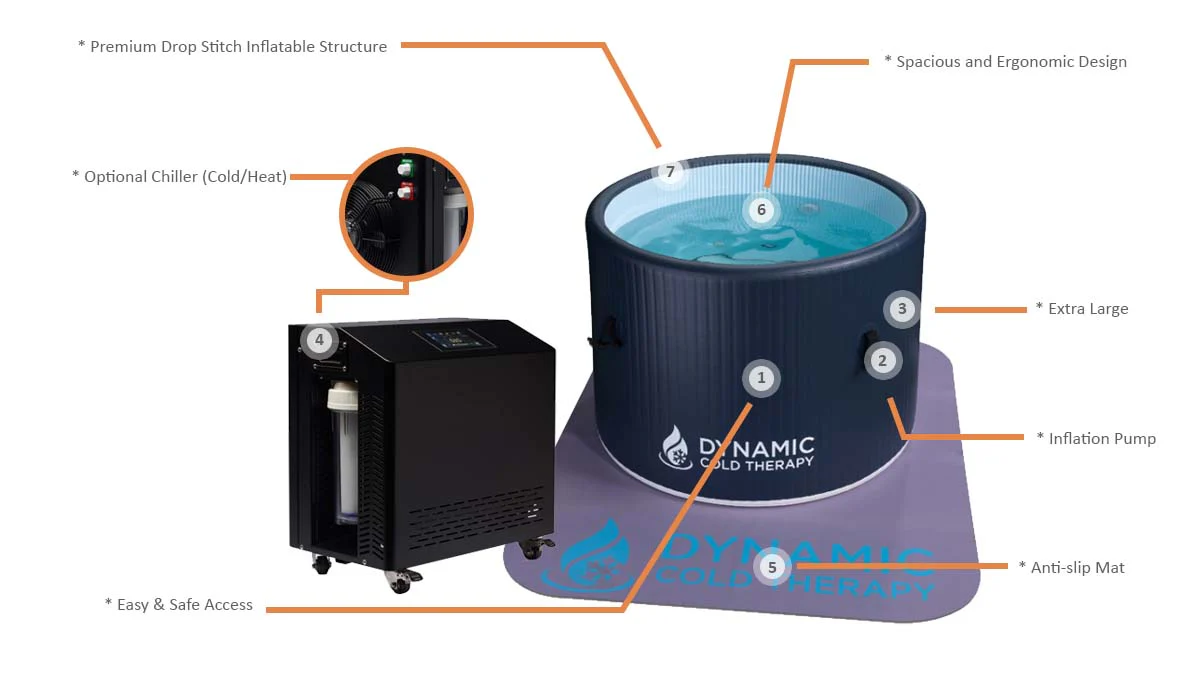
Most cold plunge guides overlook the importance of the environment surrounding your plunge. Preparing your setup in advance, whether it’s a dedicated cold plunge tub, a chest freezer conversion, or an ice-filled stock tank, minimizes the friction that can break new habits. The fewer decisions you have to make on the spot, the more likely you are to follow through.
1. Begin at a Comfortable Temperature and Gradually Decrease
Begin your cold plunge journey at a comfortable 58°F–60°F and remain at this temperature for at least one to two weeks. This isn’t being soft, it’s being smart. Your nervous system, cardiovascular system, and breathing patterns all require time to adjust to the cold before you can increase the intensity. Those who bypass this step are often the ones who find cold plunging intolerable and quit within a month.
When 60°F starts to feel like a walk in the park — in other words, your breathing is back to normal within the first 15–20 seconds — it’s time to drop to 55°F–57°F and start the process all over again. Each decrease in temperature should feel like a hurdle you can jump, not a shock you’re just trying to live through.
2. Master Your Breathing
Before you start thinking about how cold the water is or how long you should stay in, get your breathing under control. The gasp reflex that happens when you get into cold water is something you can’t control — but you can train yourself to get over it faster. The moment you get into the water, start exhaling slowly and deliberately through pursed lips. Breathe in through your nose for 4 counts, then breathe out through your mouth for 6 counts. After 20–30 seconds, your heart rate will start to go back to normal and you won’t feel as panicked. This is the most important part of taking a cold plunge.
3. Monitor Your Temperature and Duration
It’s a good idea to use a basic waterproof thermometer to check your real water temperature — the integrated displays on a lot of cold plunge models can be inaccurate by 2°F–4°F, which is significant at the lower end of the therapeutic range. Keep a record of your sessions with three pieces of information: water temperature, how long you were in the water, and a brief comment on how you felt during and after. After 4–6 weeks, you’ll start to see trends that show you exactly how your body is adjusting and when you should move on to the next level.
4. Pair it With Heat Exposure for Maximum Results
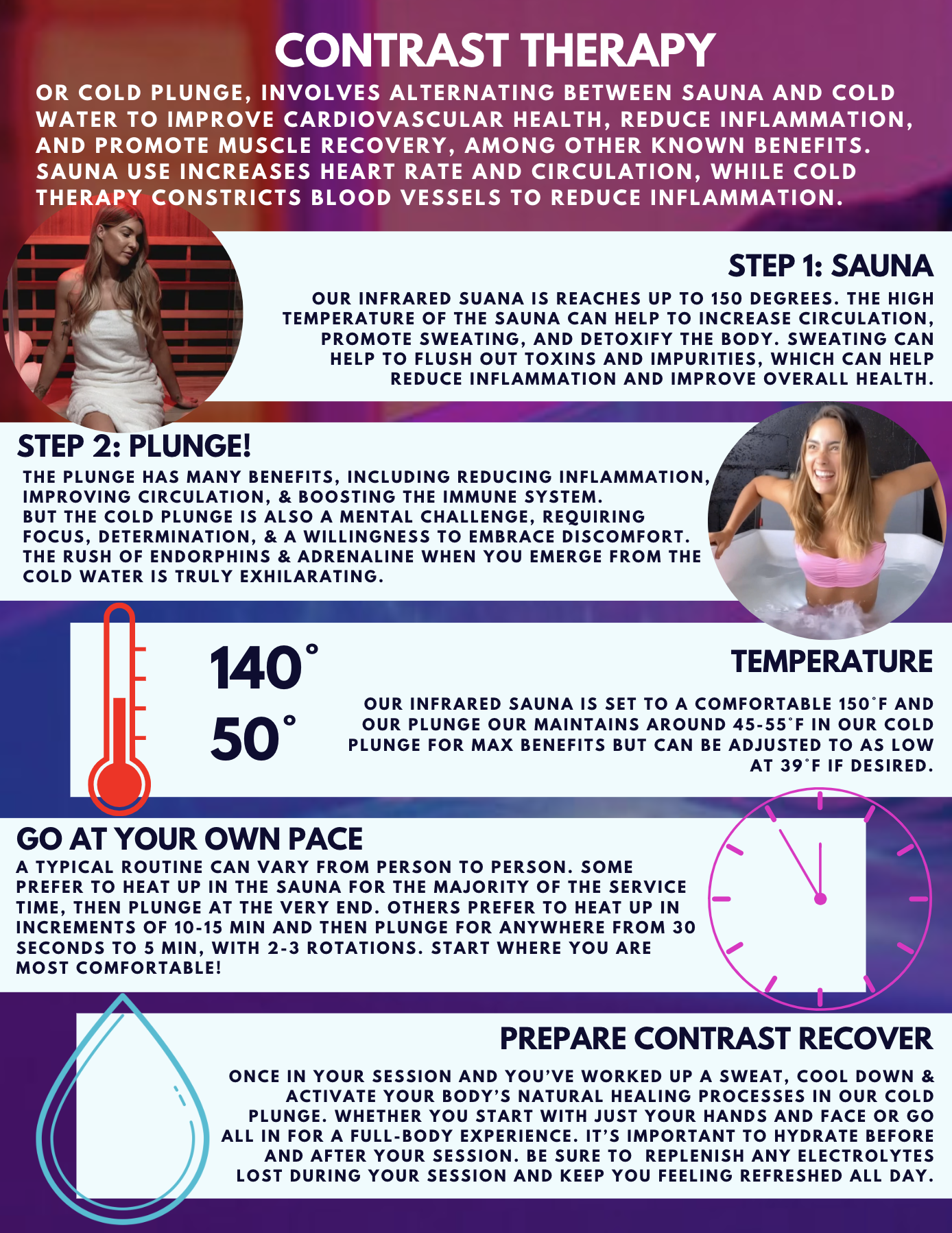
Contrast therapy, or switching between heat (like a sauna or hot bath) and cold immersion, can dramatically increase the circulatory and recovery benefits of cold plunging. A common and effective routine is spending 10–15 minutes in a sauna at 170°F–190°F, then spending 2–3 minutes in cold water at 50°F–55°F, and repeating this for 2–3 cycles. The extreme switch between vasodilation and vasoconstriction creates a powerful pumping effect in the cardiovascular system that can’t be achieved with just heat or cold.
Who Should Be Cautious When It Comes to Cold Plunge Temperatures
While cold plunge therapy has its benefits, it’s not necessarily for everyone. Certain health conditions can make cold immersion — especially in colder temperatures — more risky. This isn’t to say that people shouldn’t try it, but rather that they should be informed about the potential risks before diving in headfirst.
If you have any of the following conditions, you should speak to a doctor before you start cold plunge therapy, especially if the water is below 55°F:
Heart Conditions and the Risk of Cold Shock
Submerging in cold water causes an immediate increase in heart rate and blood pressure — a reaction that’s manageable for healthy people but could be dangerous for anyone with underlying heart disease, arrhythmia, or a history of heart events. The cold shock response that happens in the first 30 seconds of submersion is the most risky period, as the sudden activation of the autonomic nervous system puts acute demand on the heart. People with high blood pressure, coronary artery disease, or congestive heart failure should get explicit medical clearance before trying any cold plunge session, especially at temperatures below 55°F. For additional wellness tips, consider exploring a comprehensive home wellness routine plan.
How to Tell If You’ve Cooled Down Too Quickly
Your body will communicate with you when you’ve exceeded your current tolerance — but many beginners either don’t recognize the signs or ignore them, thinking it’s just typical discomfort. There’s a significant difference between the manageable challenge of adapting to the cold and real physiological distress, and learning to tell the difference between them is a vital safety skill.
If you experience any of the following symptoms, it’s a sign that you’ve gotten too cold too quickly. You should get out of the cold plunge right away and slowly warm up:
When to Get Out of the Cold Water:
- Shaking you can’t control that doesn’t go away within the first minute of being in the water
- Numbness in your hands or feet that quickly moves up your arms or legs
- Tightness or pain in your chest while you’re in the water or right after you get out
- Feeling confused or disoriented — this is one of the first signs that you might be getting hypothermia
- Your skin turns white or blue more than you would expect from being cold
- Not being able to hold onto things or move well when you’re trying to get out of the water
- Not being able to control your breathing after being in the water for a minute
If any of these happen, get out of the water in a calm way, dry off, and get warm by putting on clothes and drinking something warm (but not hot). Don’t take a hot shower right away — the sudden change in temperature can make your blood pressure go down a lot. Let your body get warm on its own for 10–15 minutes before you use anything else to warm up. If you have chest pain, feel confused, or can’t move well, get medical help right away.
Begin Cold, Maintain Consistency, Experience the Change
- The perfect cold plunge temperature for most individuals is 45°F–55°F (7°C–13°C) — this is where the actual therapeutic action takes place
- Those who are new to this should always start at 55°F–60°F and gradually decrease over weeks, not days
- Temperature and duration are linked — colder water means shorter sessions, particularly in the beginning of your journey
- Controlled breathing is the fundamental skill that makes every other aspect of cold plunging safer and more effective
- Contrast therapy that combines heat and cold exposure enhances the benefits of each practice on its own
- Specific medical conditions — particularly cardiovascular problems — necessitate a doctor’s consultation before starting
Cold plunge therapy is one of the few health practices that has centuries of empirical tradition and a growing body of modern scientific evidence to back it up. The physiological mechanisms are real, the benefits can be measured, and the entry barrier is truly low — you don’t need costly equipment or the pain tolerance of an elite athlete to make it work for you.
What’s necessary is a patient approach. The individuals who reap the most benefits from cold plunging aren’t those who jumped into the coldest water the quickest, but rather those who consistently submerged themselves in water at a temperature their bodies could adjust to, week after week, gradually developing true cold resilience. This gradual approach is what differentiates a transformative routine from a painful trend that you eventually give up.
Begin with your current state. Maintain consistency. Allow the temperature to decrease naturally as your body becomes accustomed to it. The cold will meet your body’s needs precisely.
Common Queries
- What’s the best cold plunge temperature for a novice?
- What’s the recommended duration for a 50°F cold plunge?
- Is a colder temperature always more beneficial in cold plunge therapy?
- How many times should I do a cold plunge in a week?
- Is it safe to do a cold plunge if I have hypertension?
There are many questions about cold plunge therapy, particularly about the ideal temperature, how long it should last, and if it’s safe. The responses below provide clear, practical advice based on consistent findings from scientific studies and real-life experiences.
What is the best cold plunge temperature for beginners?
For beginners, the best cold plunge temperature is 55°F–60°F (13°C–15°C). This temperature range provides the main health benefits of cold immersion, such as circulatory response, slight hormonal changes, and the start of cold adaptation, without causing a shock response that can make the practice seem unbearable. To enhance your wellness routine, consider incorporating techniques like infrared sauna chromotherapy as well.
Stay at this temperature for at least one to two weeks before going lower. The main aim in the initial phase isn’t intensity — it’s learning to control your breathing, manage the initial cold shock response, and build the neurological habit of consistent practice. Everything else is built on that foundation.
How long should I stay in a cold plunge at 50°F?
At 50°F (10°C), the recommended session duration is 2–4 minutes for most people with moderate cold exposure experience. This window is long enough to drive meaningful anti-inflammatory and hormonal responses without pushing into the territory where muscle function and coordination begin to be compromised. If your breathing isn’t controlled within the first 30–45 seconds at this temperature, exit and reassess — 50°F may still be beyond your current adaptation level.
Does colder water mean better results in cold plunge therapy?
Not necessarily. This is one of the biggest myths in cold therapy. When the water temperature drops below 45°F, the risks usually outweigh the benefits for most people. The best temperature for cold therapy — where you get the most norepinephrine release, inflammation reduction, and cardiovascular adaptation without putting too much stress on your body — is between 45°F and 55°F. Going colder than this mostly just adds risk without providing much more benefit for most people who practice cold plunge therapy.
How many times should I plunge into cold water each week?
For the majority of individuals, 3–5 times per week is the ideal balance between stimulation and recuperation. Daily cold plunges are done by many seasoned users without any problems, but beginners should allow 24–48 hours between plunges while their nervous and cardiovascular systems adjust. Sports science research suggests that even 2–3 times a week can lead to noticeable improvements in recovery indicators, mood, and cold tolerance over 4–6 weeks.
Is it safe to cold plunge with high blood pressure?
If you have high blood pressure, also known as hypertension, it’s important to discuss cold plunging with your doctor before you begin. Immersing yourself in cold water can cause a sudden increase in blood pressure because it causes your blood vessels to constrict and triggers a response from your sympathetic nervous system. This can be a significant increase for someone whose blood pressure is already high. For more information on this popular wellness trend, you can explore cold plunge therapy.
However, people with controlled high blood pressure shouldn’t completely rule out cold plunging. Some studies indicate that regular exposure to cold may help the cardiovascular system adapt over time. But this should be done with caution, starting at warmer temperatures (no lower than 58°F–60°F), for shorter periods of time, and under medical supervision at first. For those interested in complementary therapies, exploring options like an infrared sauna might also be beneficial.
Should you have uncontrolled blood pressure or are taking several medications for hypertension, you should play it safe and get explicit permission before your first session. The health benefits of cold plunging are real — but they only matter if you approach the practice in a way that ensures your long-term safety.
Ready to Experience the Benefits of Cold Plunge Therapy?
If you’re thinking about adding cold plunge therapy to your wellness routine, CollectiveRelaxation.com offers a wide selection of premium cold plunge tubs and chilling systems designed for home use. Whether you’re looking for a beginner-friendly setup or a professional-grade recovery system, you’ll find high-quality options to help you build the perfect home wellness experience.
Explore our full collection of cold plunge products and start your recovery journey today at CollectiveRelaxation.com.






Leave a Reply