
Key Points
- The combination of chromotherapy and infrared saunas creates a synergistic effect that enhances the healing properties of each therapy individually
- Each color used in chromotherapy targets specific systems in the body and emotional states, allowing for a wellness experience that can be customized
- Red light therapy in saunas can significantly improve circulation and skin rejuvenation by stimulating the production of collagen
- The effectiveness of chromotherapy is increased in an infrared sauna because the relaxed state of the body and increased blood flow allow for better absorption of light
- Collective Relaxation’s premium saunas offer chromotherapy systems of medical grade for targeted wellness benefits beyond basic mood lighting
Transforming Your Infrared Sauna Experience with Color Therapy
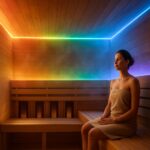
Picture stepping into your infrared sauna and feeling the gentle warmth start to surround you. Suddenly, the space is transformed with a wash of soothing blue light. Your breathing naturally slows, your shoulders drop, and the tension of the day starts to melt away faster than with just heat. This is more than just mood lighting – it’s chromotherapy, and it’s changing the way we experience infrared saunas.
On their own, infrared saunas offer a range of health benefits. Their heat penetrates deep into your tissues, helping to promote detoxification, relieve pain, and improve circulation. But when you add chromotherapy – the therapeutic use of colored light – to the mix, you create a healing environment that works on both a physical and emotional level at the same time.
When these therapies are combined, the magic happens: your body’s systems are opened by the infrared heat, making them more receptive to the specific wavelengths each color delivers. This guide will take you through exactly what happens with each color, how to use them with intention, and how to create the perfect chromotherapy routine for your specific wellness goals.
Understanding Chromotherapy: It’s More Than Just Colored Lights
Chromotherapy isn’t some new age mumbo jumbo – it’s based on the simple fact that light is made up of different wavelengths that interact with our bodies in ways we can measure. Each color of the spectrum has a specific frequency and energy level that can cause our cells, tissues, and nervous system to respond in biochemical ways. For more insights on how each color works, check out our Infrared Sauna Chromotherapy Guide.
Just as blue light can affect our sleep cycles and sunlight prompts our bodies to produce vitamin D, our bodies have a natural reaction to light. Chromotherapy takes this concept and uses it in a more focused, therapeutic way by exposing the body to specific wavelengths of light to stimulate certain reactions.
Research has increasingly shown that different wavelengths of light have specific physiological effects. For example, red light (with a wavelength of 630-700nm) can penetrate the skin and stimulate the production of cellular energy, while blue light can affect melatonin production and our circadian rhythms.
The Intersection of Ancient Healing and Modern Innovation
Color therapy has been used for thousands of years in many different cultures. The Ancient Egyptians, for example, constructed healing temples that would break sunlight down into various colors. Chinese healers linked specific colors to certain organs and energy pathways. Ayurvedic practitioners used color to help balance the body’s energy centers, also known as chakras.
Modern chromotherapy technology combines the ancient wisdom of the past with the precision of today. LED lights in high-end infrared saunas can now emit specific wavelengths of light at optimal intensities, providing consistent therapeutic benefits that our ancestors could only approximate with colored cloths and sunlight. When used in conjunction with the deep-penetrating heat of infrared saunas from Collective Relaxation, these therapeutic colors create a healing environment that simultaneously works on multiple bodily systems.
How Different Light Frequencies Impact Your Body and Mind
The wavelength of each color interacts with your body in different ways. Shorter wavelengths (like violet, indigo, and blue) tend to have calming, cooling effects on both the body and the mind. They can decrease blood pressure, reduce inflammation, and calm an overactive mind – making them ideal for evening sauna sessions or stress relief.
Green, which is in the middle of the color spectrum, is known for its balancing and harmonizing effects, making it a great choice for general wellness sessions. On the other hand, longer wavelengths such as yellow, orange, and red are usually stimulating and warming. They boost circulation, energy levels, and metabolic processes, making them perfect for morning sessions or whenever you need a pick-me-up.
These effects aren’t just in your head. Research has shown that different light frequencies can affect your heart rate, breathing, brain wave patterns, and hormone production. For instance, exposure to red light has been found to boost circulation and stimulate the production of energy in cells by the mitochondria, while blue light can lower cortisol levels and markers of inflammation.
- Red, orange, and yellow light: Stimulating, energizing, warming effects
- Green light: Balancing, harmonizing, stabilizing effects
- Blue, indigo, and violet light: Calming, cooling, relaxing effects
Why Infrared Saunas Enhance Chromotherapy Effects
The combination of infrared heat and chromotherapy creates a potent synergistic effect that’s greater than either therapy alone. When your body is warmed by infrared heat, several key changes occur that amplify light therapy’s effectiveness. Blood vessels dilate, increasing circulation and allowing light wavelengths to penetrate deeper into tissues. Your skin’s pores open, enhancing absorption of light energy. And your nervous system enters a more receptive state, becoming more sensitive to the subtle influences of different color frequencies.
Infrared heat readies your body’s natural healing processes – turning on heat shock proteins, boosting lymphatic flow, and starting repair processes. When you introduce specific light wavelengths to this already-turned-on system, they can focus on and improve certain aspects of the healing response. For instance, red light during an infrared session doesn’t just better circulation – it overcharges already-expanded vessels, delivering even more benefits to tissues and organs.
Improving Focus and Concentration
Yellow light therapy is a star player when it comes to enhancing mental clarity and cognitive function. It stimulates the parts of the brain that are responsible for analytical thinking and logical processing. Many people who have used yellow light therapy in their infrared sauna sessions have reported a noticeable improvement in their ability to concentrate on difficult mental tasks after just 15-20 minutes of exposure to yellow light.
Yellow light therapy is most effective when used in the morning during sauna sessions. The wavelength is similar to natural morning sunlight, which can help to regulate your body’s internal clock and prepare your brain for optimal performance during the day. Studies have shown that yellow light can increase serotonin levels, a neurotransmitter that helps to regulate mood and cognitive function. This creates the perfect conditions for maintaining mental focus without the need for caffeine, which can cause jitters.
Green Light: Balance Your Body and Reduce Inflammation
- It balances the autonomic nervous system
- It reduces inflammation throughout the body
- It supports healthy heart function
- It promotes emotional equilibrium and harmony
- It enhances the body’s natural detoxification processes
Green light sits at the center of the visible spectrum, embodying balance and harmony in chromotherapy. This middle-wavelength light works as a powerful regulator for multiple body systems, neither overstimulating nor suppressing function. In an infrared sauna environment, green light therapy helps establish equilibrium between the sympathetic (fight-or-flight) and parasympathetic (rest-and-digest) nervous systems – ideal for those feeling either wired or fatigued.
Green light therapy is a godsend for those suffering from chronic inflammation. The wavelength of the green light penetrates the tissues just enough to help regulate the immune responses that can cause inflammation. Regular sessions in your infrared sauna with green light can help reduce the markers of systemic inflammation that contribute to many chronic health problems.
When combined with infrared heat, green light therapy also has promising effects on the cardiovascular system. The vasodilating effects of infrared therapy go hand in hand with the balancing influence of green light on heart rhythm and blood pressure. This combination creates an environment where the cardiovascular system can find its natural rhythm without being pushed toward either extreme.
At Collective Relaxation, many people find that green light sauna sessions leave them feeling balanced and rejuvenated – not overly stimulated or overly sedated. This makes green chromotherapy a great option for midday sessions when you need a reset but don’t want to disrupt your energy levels for the rest of your day. For more information on how saunas have evolved, check out our Infrared Sauna Chromotherapy Guide.
Supporting Heart Health and Blood Pressure
When used in infrared saunas, green light therapy has shown incredible promise in supporting cardiovascular health. This specific wavelength seems to help regulate heart rate variability, which is a crucial indicator of the health and resilience of the autonomic nervous system. The vasodilation effects of infrared heat are already being experienced by your body, and the addition of green light provides a regulatory component that assists the cardiovascular system in finding the ideal balance. This could potentially support healthy blood pressure levels and reduce the strain on the heart.
Fighting Inflammation
Green light is a powerful tool for controlling inflammation. It has been shown in scientific studies to reduce the body’s production of pro-inflammatory cytokines, tiny proteins that cause inflammation. This effect is even more pronounced in an infrared sauna, where blood flow and cell activity are already increased.
If you’re grappling with inflammatory skin diseases, joint inflammation, or systemic inflammation, merging green chromotherapy with infrared sauna sessions offers a comprehensive strategy for soothing overactive immune responses without inhibiting essential immune function.
How it Reduces Stress
Green light is known for its balancing quality, which can help with stress management and emotional regulation. When you’re exposed to green light, your brain produces more alpha brain waves, which is the state of the brain associated with relaxation and creativity. When you combine this with an infrared sauna, the state of the brain becomes even more accessible as the heat helps to relieve physical tension.
Regular use of green chromotherapy can help condition your nervous system to more easily return to a balanced state, even when you’re not in the sauna. Many people have said they’re better able to handle daily stress and have more emotional balance after they added green light therapy to their wellness routines.
Blue Light: Achieve Tranquility and Alleviate Inflammation
Blue light therapy is the soothing, pacifying side of chromotherapy. Its wavelengths are shorter than green, yellow, or red light, meaning it enters tissues differently and stimulates unique physiological reactions. When you’re in an infrared sauna and your body is gently warming, blue light offers an intriguing contrast – it cools your mind while your body heats up. This distinctive pairing produces deep relaxation while preserving all the detoxifying advantages of infrared heat therapy.
Relaxing Your Nerves
Blue light directly influences the activation of your parasympathetic nervous system – the part of your body that helps you relax and digest food. It counteracts the stress responses in your body. When you combine blue light with infrared heat, which already helps reduce tension in your muscles, it increases the relaxation effect by directly influencing the patterns of your brain waves. EEG studies show that when you’re exposed to blue light, it increases the production of theta waves that help you calm down. It’s like you’re in a state of meditation without having to practice for years to achieve such deep relaxation.
Enhancing Your Sleep
Although we are often told that the blue light from our screens can interfere with our sleep, the therapeutic blue light used in chromotherapy is different. The specific blue wavelengths used in high-quality sauna chromotherapy systems can help regulate the production of melatonin when used at the right times. An evening sauna session with blue light therapy can help tell your body that it’s time to start getting ready for sleep, especially if it’s followed by a completely dark environment for sleeping.
It’s been said by many that winding down with a 20-minute blue light infrared sauna session significantly enhances their ability to drift off to sleep swiftly and remain asleep all night. The combination of physical relaxation from the heat and the calming effect of blue light on the mind sets the perfect stage for rejuvenating sleep.
Helping with Pain Management
Blue light therapy is particularly effective in managing some kinds of pain, especially those associated with inflammation. Studies show that blue light can block certain pain pathways and lessen inflammation signals. When these benefits are paired with the pain-relieving properties of infrared heat, which boosts blood flow and relaxes muscles, many users report significant increases in comfort.
Blue light therapy in an infrared sauna can be a godsend for those who suffer from headaches and migraines. The combination of infrared heat’s vasodilating effects and the soothing power of blue light can help break the cycle of pain that involves both tension and vascular components. Many people have found that using blue light sessions proactively during stressful times or as part of their regular wellness routine can help prevent headaches.
Indigo Light: Purify Your Mind and Body
Indigo light, a deep blue-purple color, is one of the most potent wavelengths for mental clarity and intuitive thinking. This color penetrates with a frequency that seems to bypass logical thought processes and connect directly with deeper consciousness. In an infrared sauna, where your body is already in a heightened state of detoxification, indigo light appears to support mental purification as well, helping clear mental fog and enhance clarity of thought.
Indigo light therapy works great in conjunction with the lymphatic stimulation that happens during infrared sauna sessions. As your body sweats and moves toxins through the lymphatic system, indigo light appears to aid this detoxification process, particularly in the neck, face, and head regions. Users often report feeling mentally “lighter” after indigo chromotherapy sessions, as if mental weights have been removed along with physical toxin release.
Indigo Light and Mental Clarity
Indigo light seems to have a special effect on the brain, especially in the areas related to intuition and insight. Many people have reported having moments of sudden understanding, creative solutions, or clarity about complex issues during their indigo light therapy sessions. This could be because indigo stimulates the pineal gland, also known as the “third eye” in some traditional healing systems. The pineal gland is important for the production of melatonin and the regulation of the circadian rhythm.
Boosting Your Immunity
Indigo light has long been believed to boost the immune system in many healing traditions. Current studies suggest that there might be some truth to these claims, as certain blue-purple wavelengths seem to affect the activity of immune cells. When you pair this with the immune-boosting effects of infrared sauna therapy – which includes the production of heat shock proteins and increased white blood cell circulation – indigo light might provide additional layers of immune support, especially during seasonal changes or times when your immune system is under more stress than usual.
What Violet Light Does: Deep Relaxation and Spiritual Awareness
Violet light is at the high end of the visible spectrum, carrying the most energy and the deepest potential for transformation. Using violet light therapy in an infrared sauna can create an environment that is deeply relaxing and conducive to spiritual awareness. The way infrared heat penetrates the body seems to open it up to the subtle influence of violet light on consciousness, creating a situation where meditation becomes effortless and insights flow naturally.
From a physiological standpoint, violet light seems to have control over the endocrine and nervous systems. It might assist in balancing hormone production and promoting neurological function by affecting the pituitary gland – frequently referred to as the “master gland” of the endocrine system. These regulatory effects may be more noticeable and attainable in the relaxed state produced by infrared heat.
Many people who meditate or practice mindfulness have found that violet light therapy significantly improves their practice. The combination of the physical comfort provided by infrared heat and the mind-expanding qualities of violet light create the perfect conditions for entering deep meditative states without the usual distractions of physical discomfort or mental chatter.
Rewrite the following human content into AI content:
- Improves spiritual consciousness and psychic abilities
- Assists in the functioning of the pituitary gland and in maintaining hormonal equilibrium
- Provides optimal conditions for deep contemplation and attentiveness
- Assists in the elimination of restrictive thoughts and belief systems
- Facilitates the transition from logical to creative thought
Enhancement of Meditation
The violet light provides the perfect setting for meditation in an infrared sauna. The frequency seems to assist in shifting brain activity from beta waves (active thinking) to alpha and theta waves (states of meditation). When combined with the physical relaxation provided by infrared heat, this makes it easier to achieve deep meditative states, even for novices or those who typically find meditation difficult.
Mental Health Advantages
Recent studies show that violet light may have properties that protect the brain and promote its long-term health. This particular frequency seems to affect neural pathways related to higher cognitive functions and may encourage neuroplasticity – the brain’s capacity to form new connections and adapt. In an infrared sauna, where circulation is already improved and more oxygen and nutrients are being delivered to brain tissues, violet light may amplify these protective effects on the brain.
If you’re looking to maintain your cognitive abilities and brain health, consider incorporating regular sessions of violet light chromotherapy in an infrared sauna into your routine. This is not only a relaxing way to support neurological wellness, but many people also report improved mental clarity, enhanced memory, and greater cognitive flexibility after incorporating violet light therapy into their regular wellness routines.
Top-of-the-line infrared saunas, such as those provided by Collective Relaxation, give you the ability to fine-tune the intensity of violet light and even set the system to slowly shift from one color to another. This allows you to tailor the experience to your unique neurological and spiritual health needs.
Pairing Colors for Targeted Health Benefits
One of the biggest benefits of chromotherapy in infrared saunas is the opportunity to mix and match colors for specific health goals. Instead of just using one color, many seasoned sauna-goers will create a “color stack” – a sequence of different colors that work in tandem to achieve a particular result. These combinations take advantage of the unique benefits of each wavelength to create a well-rounded healing experience that tackles several areas of wellness at once.
- Morning Vitality Stack: Red → Orange → Yellow (10 minutes each)
- Deep Relaxation Stack: Indigo → Blue → Violet (10 minutes each)
- Balanced Wellness Stack: Green → Blue → Green (15-10-5 minutes)
- Detoxification Boost: Green → Indigo → Violet (8 minutes each)
- Creativity Enhancement: Orange → Green → Indigo (7 minutes each)
These combinations aren’t random – they’re carefully designed to create progressive experiences that guide your body and mind through different states. For example, the Morning Vitality Stack begins with circulation-boosting red light to wake up your systems, transitions to orange to stimulate creativity, and ends with yellow to sharpen mental focus – preparing you perfectly for a productive day ahead.
The power of these combinations is enhanced by the infrared heat setting, which makes your body more responsive to the unique effects of each color. As your tissues heat up and blood flow improves, each new color in the sequence can penetrate deeper and more thoroughly. This results in a combined effect that is more potent than what you would experience using these colors individually or outside of a sauna setting.
Energy and Focus Plan
- Begin with 8 minutes of red light at 135°F to boost circulation and energy
- Switch to 8 minutes of orange light at the same temperature to encourage creativity
- End with 15 minutes of yellow light at 125°F to improve mental clarity and focus
- Optional: Quick 3-minute cool-down with green light at 115°F to balance energy
This energy and focus plan operates by gradually activating your body’s systems from the physical (red) to the emotional and creative (orange) and finally to the mental (yellow). The temperature change in the last phase helps to avoid overstimulation while preserving the cognitive benefits. Many users have found that this sequence provides lasting energy without the crash that is often associated with caffeine or other stimulants.
This routine is best done in the morning before work or creative projects. It prepares your body and mind for the best performance and sets a foundation of balanced energy that will last all day. Users love that they can get the energy they need without the jittery side effects of coffee or energy drinks.
This stack’s strength lies in its ability to shatter mental barriers and morning brain fog. Its transition from physical to mental stimulation reflects the natural waking process, but in a more rapid and amplified form. Many writers, artists, and business professionals use different versions of this stack when they are faced with intricate projects or creative obstacles.
Recovery and Pain Relief
The recovery and pain relief sequence uses blue, green, and indigo light in a pattern specifically designed to reduce inflammation, ease muscle tension, and promote tissue healing. Start with 10 minutes of green light at 120°F to establish a baseline balance, then switch to 15 minutes of blue light to reduce inflammation and activate parasympathetic relaxation, and finish with 10 minutes of indigo light at 110°F to enhance the healing effect and clear pain signals from the nervous system. This sequence is especially effective after intense workouts, for chronic pain conditions, or when recovering from injuries – the temperature progression works in tandem with the colors to first increase circulation to damaged tissues, then gradually cool and calm the inflammatory response.
Sequence for Sleep and Relaxation
For the best results, the sleep and relaxation sequence should be used 1-2 hours before you go to bed. Start with 10 minutes of blue light at 120°F to trigger the relaxation response and tell your brain that the day is over, then switch to 10 minutes of indigo light at the same temperature to enhance the calming effect and start to clear your mind. End with 15 minutes of violet light at 110°F to fully quiet your mind and ready your nervous system for deep, restful sleep – many people say that this final violet phase puts them in a state similar to meditation where they start to fall asleep even before they leave the sauna.
This process operates by gradually reducing the activity of the nervous system while also removing the mental clutter of the day. The decrease in temperature in the final stage assists in lowering the body’s core temperature, which studies have found is necessary for good sleep initiation. Users have reported that this method not only helps them fall asleep more quickly, but also greatly enhances the quality of their sleep and dreaming – many have more vibrant, imaginative dreams and wake up feeling more refreshed than with sleep aids or other treatments.
How to Incorporate Chromotherapy into Your Sauna Regimen
Effectively incorporating chromotherapy into your infrared sauna regimen involves grasping a few crucial concepts about timing, duration, and personal responsiveness. While the color combinations mentioned above offer superb starting points, developing your own chromotherapy intuition enables you to design truly personalized healing experiences. The most efficient method is to start with established protocols while closely monitoring your body’s unique responses, then slowly tailor your sessions based on what you find works best for your specific constitution and wellness objectives.
How Long Should You Spend in a Chromotherapy Sauna?
Most people start to feel the effects of chromotherapy after just 5-7 minutes of being bathed in a particular color. However, for best results, you should aim for 10-15 minutes per color. If you’re using multiple colors in one session, try to keep the total sauna time to 30-45 minutes. You can adjust the length of each color phase to suit your individual needs. If you’re new to chromotherapy, start with shorter sessions of 20-25 minutes and gradually increase the time as you get used to the heat.
Just like with any routine, consistency is key. Regular use of infrared sauna chromotherapy will yield the most benefits. For general health and wellness, using the sauna 3-4 times a week is recommended. If you’re dealing with a specific health issue and are in a period of intense healing, you may want to increase your sessions to 4-6 times a week. Many users have found that shorter, daily sessions (15-20 minutes) can be more beneficial than fewer, longer sessions. This is especially true when it comes to managing stress and regulating mood.
Advice from a Chromotherapy Specialist: “The body’s reaction to color therapy increases over time, leading to a cumulative impact. What might appear to be subtle in your initial sessions often becomes extremely evident after 2-3 weeks of regular practice. Be patient with the process and maintain consistency – your nervous system is learning a new language of light that becomes more fluent with practice.”
For the best results, you might want to keep a simple diary where you note down which colors you used, how long for, what temperature, and how you felt immediately after and a few hours after your session. This will help you see patterns in how your body responds and fine-tune your personal chromotherapy routine for even better results.
Picking the Best Color for You
The color that will work best for you in each session depends on how you’re feeling at the moment and what you want to feel afterwards. If you’re feeling worn out and need to be energized, red or orange light will stimulate you, while if you’re feeling stressed or overstimulated, blue or violet will help you relax. You should listen to your gut feeling about which colors to use – your body usually naturally leans towards the wavelengths it needs most on any given day. You’ll get better at knowing which colors to use the more you use chromotherapy.
Many experts suggest choosing colors according to the chakra system, which involves picking colors that match the parts of the body that need healing. For instance, if you have problems with your digestion, the yellow light (which corresponds to the solar plexus chakra) might be good for you, while if you have throat pain, the blue light (which corresponds to the throat chakra) could be beneficial. Although there is no scientific proof for the chakra system, many people find it a helpful way to choose colors that often match what their body needs.
When to Use Each Color: Morning, Midday, or Evening
When you use each color during your chromotherapy sessions can make a big difference. In the morning (6am-10am), you’ll want to use energizing colors like red, orange, and yellow. These colors match your body’s natural cortisol rhythm and help set up a healthy circadian rhythm for the day. In the evening (7pm-10pm), you’ll want to use calming colors like blue, indigo, and violet. These colors support melatonin production and help your nervous system get ready for deep sleep. If you use energizing colors in the evening, you could mess up your sleep cycles and negate the relaxing benefits of your sauna session. During the middle of the day (11am-3pm), the balancing color green is a good choice. It provides a reset without pushing your system toward too much stimulation or too much relaxation.
Maximizing Your Chromotherapy Sauna Experience
Your chromotherapy experience is greatly influenced by the quality of your sauna’s light system. The basic LED mood lighting in entry-level saunas creates a colorful atmosphere but lacks the intensity, purity, and coverage needed for therapeutic effects. Medical-grade chromotherapy systems, like those in high-end saunas from Collective Relaxation, provide precise wavelengths at therapeutic intensities with full-body coverage – making sure every cell benefits from the healing light frequencies. These systems usually have programmable controls for timed color transitions and personalized sequences, making the most of your sessions’ therapeutic potential.
Before you start your sauna session, take a moment to think about what you want to get out of it. Do you want to feel more energetic? More relaxed? Do you want to relieve pain or inspire creativity? Once you’ve decided, sit quietly with your chosen color for a few moments before you turn on the heat. Let your eyes fully take in the color. During your session, pay attention to how the color makes you feel. Do you feel different physically? Emotionally? Mentally? The more you focus on the experience, the more effective it will be. This is because your brain will start to associate the color with the way you want to feel.
Common Questions
As more and more people discover the benefits of infrared sauna chromotherapy, we’ve started getting a lot of questions about how to use it effectively and incorporate it into a wellness routine. The questions below are the ones we hear most often from both new and experienced sauna users who are trying out color therapy for the first time. Understanding these basics will help you go into chromotherapy with a clear idea of what to expect and the information you need to make it a beneficial part of your wellness routine.
Keep in mind that while chromotherapy can be very beneficial, it is most effective when used in conjunction with other wellness practices like staying hydrated, eating healthily, getting regular exercise, and getting plenty of rest. The impact of color therapy can vary greatly from person to person and can take time to build up – what may have a strong effect on one person may have a more subtle effect on another. This variability is one of the things that makes chromotherapy so interesting – it’s a process of figuring out how you personally respond to different light wavelengths.
Many people have found that combining chromotherapy with other complementary practices such as breathwork, meditation, or gentle stretching while in the sauna greatly enhances the results. These mind-body practices help to quiet the mind and increase awareness of subtle energy shifts, making your system more receptive to the influence of color therapy. Consider incorporating simple breathwork patterns that align with your color choice – stimulating breathwork for energizing colors and calming patterns for relaxing wavelengths.
Does chromotherapy in saunas actually work?
Chromotherapy research is somewhat mixed, with some applications having more scientific backing than others. For example, blue light is known to help with seasonal affective disorder and red light is proven to rejuvenate skin. Other applications are more based on traditional healing practices and anecdotal evidence. However, the physiological effects of different light wavelengths on skin, cellular function, and circadian rhythms are well-documented in scientific literature, and the full therapeutic potential and mechanisms are still being researched. When combined with infrared sauna therapy, which has its own substantial evidence base for circulation, detoxification, and pain relief benefits, many users report enhanced effects that exceed what either therapy provides alone.
Is it possible to use more than one color in a sauna session?
Indeed, using several colors in a sequence during a single session can produce potent therapeutic effects that are tailored to specific health objectives. The secret is to progress thoughtfully, starting with stimulating colors (red/orange/yellow), moving to balancing colors (green), and ending with calming colors (blue/indigo/violet). This creates a natural arc that guides your body from activation to integration and finally to relaxation. Each color should be used for 8-15 minutes to achieve the full effect, and you should limit your sequence to 2-3 colors per session to avoid overloading your body. Many top-of-the-line saunas have programmable controls that allow you to automatically transition between colors at preset intervals, so you can fully immerse yourself in the experience without having to manually adjust the settings.
What’s the recommended time for each color?
Generally, each color should be exposed to for about 7-20 minutes. The therapeutic effects usually start after about 5-7 minutes and continue to deepen with longer exposure. More stimulating colors, like red and orange, often need less time (about 7-12 minutes) to avoid overstimulation. Meanwhile, more calming colors, like blue and violet, can be beneficial for longer periods (about 15-20 minutes). How long you should expose yourself to each color also depends on your personal sensitivity to light and heat. Some people respond quickly to chromotherapy and don’t need as much time, while others need longer sessions to get the same effects. Listen to your body – if you start to feel uncomfortable or overstimulated, it’s time to either switch colors or end your session.
Are there any colors I should steer clear of if I have certain health conditions?
People with photosensitivity disorders, certain eye conditions, or who take photosensitizing medications should get advice from healthcare providers before using chromotherapy. Some colors may be contraindicated for specific conditions – red light may temporarily make inflammatory conditions in acute phases worse, while blue light should be used with caution by those with severe depression or seasonal affective disorder outside of controlled therapeutic contexts. People with epilepsy or seizure disorders should steer clear of rapidly flashing or alternating colors, though stable, consistent light exposure is generally well-tolerated.
Expecting mothers should be careful with high-intensity chromotherapy, especially when using red and infrared wavelengths aimed at the belly. Although no particular negative side effects have been reported, it’s best to use moderation during this delicate period. As with any wellness routine during pregnancy, it’s always a good idea to check with your healthcare provider before starting chromotherapy sauna sessions.
Do all infrared saunas have chromotherapy?
Not all infrared saunas are created equal when it comes to chromotherapy. While most saunas do come with some sort of colored lighting, the quality, intensity, and therapeutic potential can vary greatly. Cheaper saunas might only have basic mood lighting with a few color options and minimal coverage – this is more for ambiance than any sort of therapeutic effect. Higher-end saunas might have medical-grade chromotherapy systems with precise wavelengths at therapeutic intensities, full-body coverage, programmable sequences, and intensity controls. These systems are specifically designed for health benefits, not just to look pretty.
When you’re shopping for a chromotherapy sauna, you’ll want to keep an eye out for a few key features. Look for systems that use pure LED wavelengths rather than filtered incandescent lights. You’ll also want multiple light panels placed strategically around the sauna for full-body coverage. Independent controls for color selection, intensity, and timing are also important. There’s a big difference between basic colored mood lighting and true therapeutic chromotherapy, both in terms of cost and results. But if you’re looking for real health benefits rather than just a nice ambiance, it’s worth investing in high-quality chromotherapy technology.
You didn’t provide any content to rewrite. Please provide the content that you want to be rewritten.






Leave a Reply